
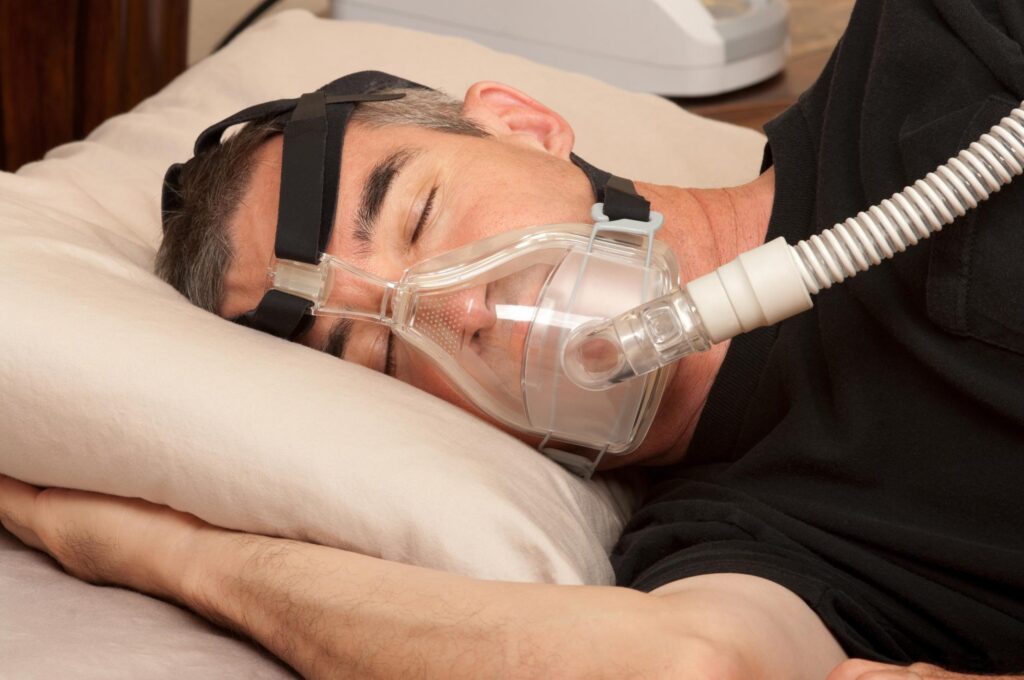
Common Signs of Sleep Apnea
Sleep apnea is a serious condition that affects millions of Americans — and many don’t even know they have it. At Echo Ridge Dental in Wenatchee, WA, we offer effective sleep apnea treatment using custom oral appliances that can help you breathe easier and wake up feeling truly rested. Call (509) 662-9685 to learn more.
What Are the Symptoms of Sleep Apnea?
The symptoms of sleep apnea extend far beyond snoring. Common signs include excessive daytime sleepiness and fatigue, waking with a dry mouth or sore throat, morning headaches, difficulty concentrating or remembering things, mood changes including irritability or depression, and waking frequently during the night. In some cases, a bed partner may notice the individual gasping or choking in their sleep.
From a dental perspective, sleep apnea has been associated with bruxism (teeth grinding), which can cause significant wear, cracked teeth, and jaw pain. Your dentist at Echo Ridge Dental may be one of the first healthcare providers to notice signs of sleep apnea during a routine dental examination.
The Health Risks of Untreated Sleep Apnea
Untreated sleep apnea poses serious risks to your overall health. Chronic sleep deprivation resulting from sleep apnea has been linked to an increased risk of high blood pressure, heart disease, stroke, type 2 diabetes, obesity, and depression. The repeated drops in blood oxygen levels that occur during apnea episodes place significant strain on the cardiovascular system over time.
From an oral health standpoint, the dry mouth frequently associated with sleep apnea can increase the risk of tooth decay and gum disease. If you suspect you or a loved one may have sleep apnea, do not wait to seek evaluation — the sooner it is addressed, the better for your long-term health.
What Is Sleep Apnea?
Sleep apnea is a sleep disorder characterized by repeated interruptions in breathing during sleep. The most common form — obstructive sleep apnea (OSA) — occurs when the muscles in the throat relax too much during sleep, causing the airway to narrow or completely collapse. These interruptions can happen dozens or even hundreds of times per night, preventing the deep, restorative sleep the body needs to function at its best. According to the National Heart, Lung, and Blood Institute, sleep apnea is one of the most common sleep disorders in the United States, affecting people of all ages.
Because these episodes typically occur during sleep, sleep apnea often goes undetected for years. Many people who snore loudly are actually experiencing the effects of obstructive sleep apnea without realizing it.
Why Your Dentist Can Help with Sleep Apnea
While a physician or sleep specialist typically provides the formal diagnosis for sleep apnea, dentists play an important role in its management through oral appliance therapy. As dental professionals, we have unique expertise in the anatomy of the jaw, mouth, and airway — making us well-positioned to provide custom-fitted appliances that address the underlying mechanics of airway obstruction.
At Echo Ridge Dental, we work collaboratively with your physician or sleep specialist to ensure you receive comprehensive, coordinated care. If you have already been diagnosed with sleep apnea, ask us whether oral appliance therapy might be a comfortable alternative or supplement to your current treatment.
Oral Appliance Therapy: A CPAP Alternative for Sleep Apnea
CPAP is often considered the gold standard for moderate to severe sleep apnea, but many patients find the machine hard to use every night. For mild to moderate sleep apnea, or for patients who can’t tolerate CPAP, a custom oral appliance worn at night gently moves the lower jaw forward to keep the airway open. Learn more about oral appliance therapy in Wenatchee, or read our guide on whether your dentist can treat sleep apnea.
Frequently Asked Questions About Sleep Apnea Treatment
Can a dentist diagnose sleep apnea?
Dentists cannot formally diagnose sleep apnea — a physician or sleep specialist is required for a proper diagnosis, typically through a sleep study. However, dentists are often the first to notice signs of sleep apnea during routine exams and can refer you to the appropriate provider. At Echo Ridge Dental, we work closely with your healthcare team to coordinate your care.
How does a dental oral appliance treat sleep apnea?
A custom oral appliance works by gently repositioning the lower jaw and tongue in a forward position during sleep, which helps keep the airway open and prevents the airway collapse that causes apnea episodes. The appliance is worn at night and is custom-fitted for comfort and effectiveness.
Is oral appliance therapy as effective as CPAP?
For patients with mild to moderate obstructive sleep apnea, oral appliance therapy has been shown to be highly effective. Studies suggest that patients are more likely to consistently use an oral appliance than a CPAP machine, making compliance — and therefore outcomes — significantly better for many people.
How do I know if I have sleep apnea?
Common signs include loud snoring, waking up gasping or choking, excessive daytime fatigue, morning headaches, and difficulty concentrating. If you or your partner have noticed any of these symptoms, contact Echo Ridge Dental at (509) 662-9685 or speak with your primary care physician about a sleep evaluation.
Is sleep apnea dangerous if left untreated?
Yes. Untreated sleep apnea is associated with serious health risks including high blood pressure, heart disease, stroke, diabetes, and depression. From a dental perspective, it can also contribute to teeth grinding, dry mouth, and increased risk of tooth decay and gum disease.
Does dental insurance cover sleep apnea oral appliances?
Coverage varies depending on your insurance plan. Many medical insurance plans cover oral appliances for sleep apnea when properly documented. Our team at (509) 662-9685 can help you navigate your coverage and discuss our payment options to make treatment as accessible as possible.
What is the connection between snoring and sleep apnea?
Snoring is one of the most common symptoms of obstructive sleep apnea, though not everyone who snores has the condition. If your snoring is loud, frequent, or accompanied by daytime fatigue, it’s worth discussing with your dentist or physician as soon as possible.